
Solas Mhaidne Logo Solas Mhaidne Contact Us
Contact Us

Breathing Exercises for Foggy, Dark Winter Mornings

Simple techniques that work even when it’s grey outside and your body wants to stay in bed.

6 min read Beginner March 2026
Close-up of hands holding a warm ceramic mug during a calm morning meditation practice indoors
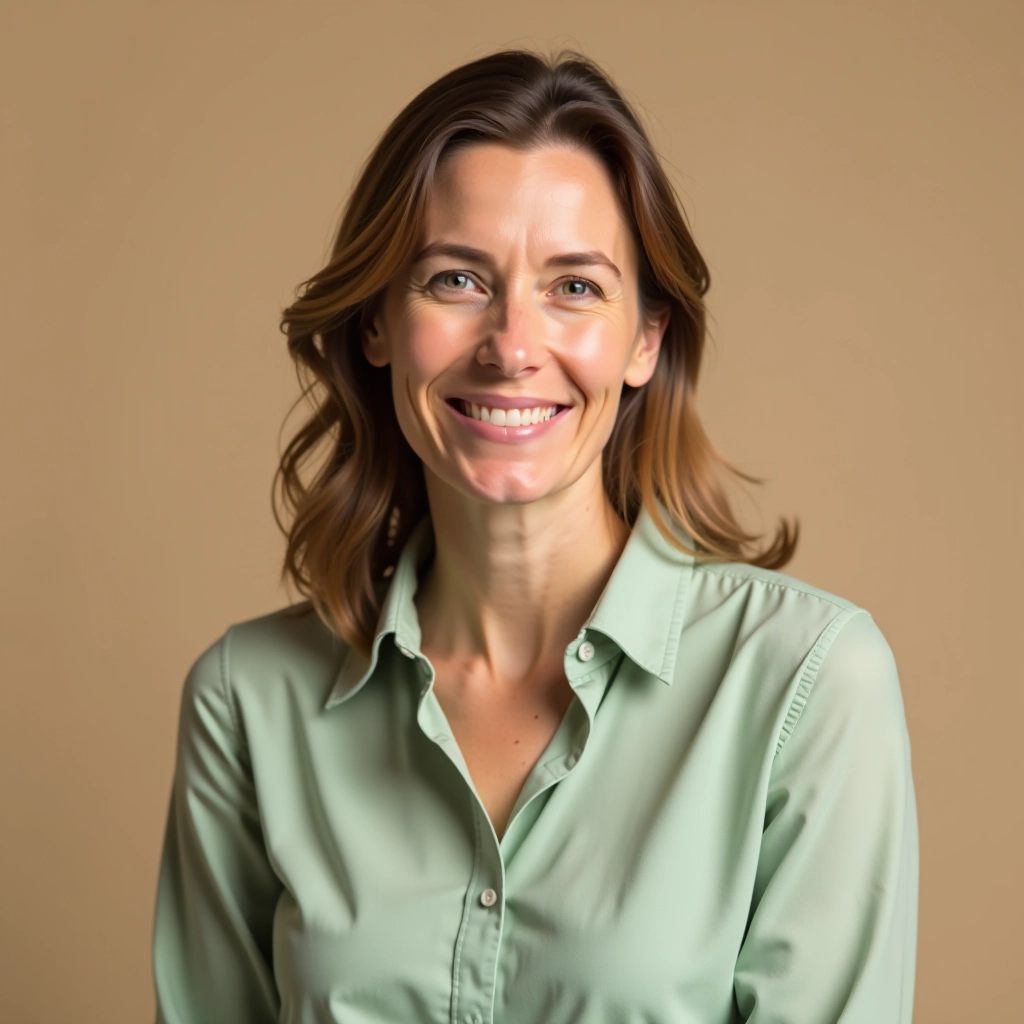
Aoife O'Donnell, Senior Mindfulness Coach

Author

Aoife O’Donnell

Senior Mindfulness Coach & Morning Ritual Specialist

Why Winter Mornings Feel Different

Winter in Ireland hits differently. The darkness lingers longer, the air feels heavier, and your nervous system knows it before your conscious mind does. When you wake at 7 AM and it’s still nearly black outside, your body struggles to shift into “awake” mode. It’s not laziness—it’s biology.

This is where breathing becomes your secret tool. It’s one of the few things you can control immediately, without leaving your bed or needing special equipment. Your breath connects directly to your nervous system. When you breathe slowly and intentionally, you’re essentially telling your body “we’re safe, we can relax.” Even on the greyest mornings, this works.

We’re talking about simple patterns you can do in 5-10 minutes. Nothing complicated. No apps required. Just you, your breath, and the warmth of your duvet.


Person practicing box breathing technique while sitting comfortably on a bed in morning light

The 4-4-4 Technique

This is the one you’ll use most. It’s simple, effective, and doesn’t require you to remember complicated counts. Inhale through your nose for 4 counts. Hold for 4 counts. Exhale through your mouth for 4 counts. That’s it. One cycle takes about 12 seconds.

Do this 8-10 times in the morning. You’ll feel a shift almost immediately—your heart rate slows, your shoulders drop, and suddenly that grey morning outside doesn’t feel quite so heavy. We’re not aiming for perfection here. If your count is slightly off, that’s fine. The rhythm matters more than precision.

Pro tip: Some people find it helpful to count on their fingers instead of in their head. One breath per finger. It gives you something concrete to focus on.

Extended Exhale Breathing

If 4-4-4 feels too rigid, try this one instead. It’s based on a simple principle: longer exhales calm your nervous system faster than longer inhales. This is why sighing feels good—you’re naturally extending your exhale.

Inhale through your nose for 4 counts. Exhale through your mouth for 6 or 8 counts. You choose the length. The longer exhale is what does the work. Try 10 rounds of this before getting up. Many people find it more natural than the 4-4-4 pattern because your body’s actually designed to relax more on the exhale.

Don’t force it. If 6 counts feels uncomfortable, stick with 5. The point isn’t to challenge yourself—it’s to activate your parasympathetic nervous system (the “rest and digest” part). That happens when you’re comfortable and consistent, not when you’re straining.

Warm mug of tea placed on bedside table next to an open journal, soft winter morning light
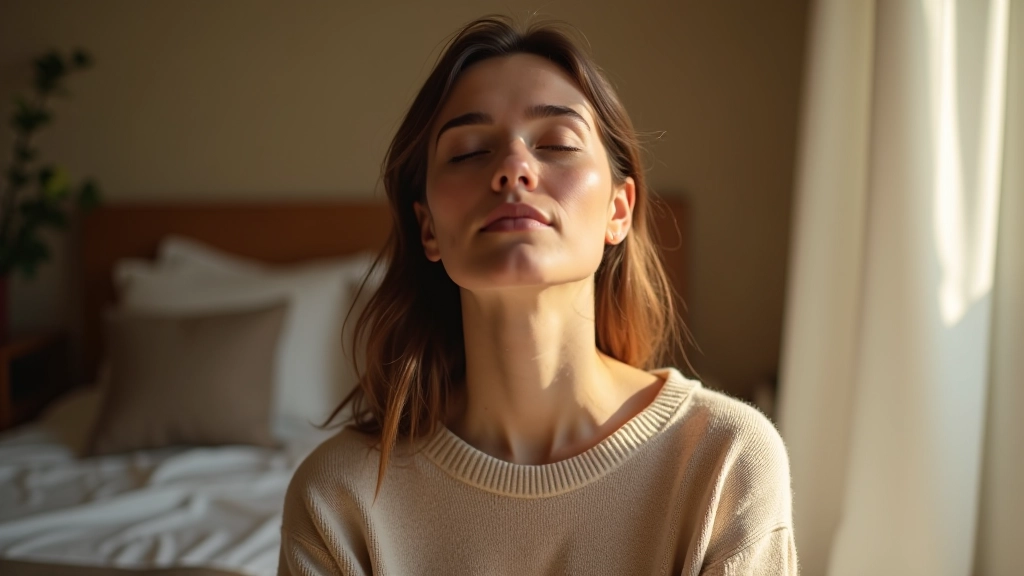
Person with eyes gently closed, practicing breathing meditation in soft morning bedroom light

The Pause Breath

Some mornings you don’t want to count anything. You just want to breathe naturally but with intention. This technique is for those days.

Breathe in naturally through your nose. At the top of the inhale, pause for just 1-2 seconds. Then exhale slowly through your mouth. That pause—that small moment of suspension—is what creates the calming effect. You’re essentially breaking the autopilot rhythm your nervous system defaults to.

Do this for 5 minutes. No counting. No structure. Just breathing with that tiny pause at the top. It feels almost meditative, which is the point. Some mornings, especially when you’re already feeling anxious about the day ahead, this gentler approach works better than structured patterns.

Combining Breathing with Your Morning Ritual

Here’s the real power: these breathing exercises don’t exist in isolation. They’re most effective when you build them into a sequence. You wake up. You do 8-10 rounds of 4-4-4 breathing while still lying down. Then you sit up slowly. Maybe you do 5 minutes of gentle neck rolls or shoulder stretches (these actually enhance the breathing effect). Then you get up.

The whole thing takes 15 minutes maximum. But in those 15 minutes, you’ve shifted your nervous system from “survival mode” (which is what happens when you jolt awake in darkness) to “intentional mode.” Your cortisol levels don’t spike. Your mind doesn’t immediately jump to your to-do list. You’ve created a buffer between sleep and the day.

This is especially important in winter because the darkness naturally pushes your nervous system toward stress. You’re fighting biology. These breathing techniques are how you win that fight—not by fighting harder, but by working with your body’s actual mechanisms.

1

Still in Bed

Choose your breathing pattern. 4-4-4, extended exhale, or pause breath. Do 8-10 rounds.

2

Sit Up Slowly

Move deliberately. Notice how your body feels. You’ve already activated your parasympathetic system.

3

Add Gentle Movement

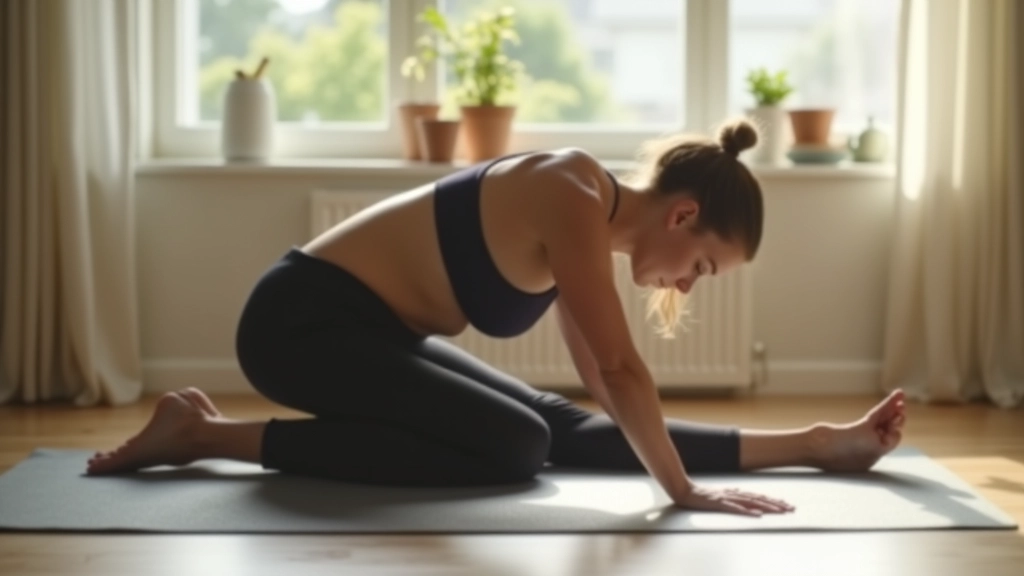
Shoulder rolls, neck stretches, or slow arm circles. Breathing + movement = faster nervous system shift.

4

Get Up When Ready

You’ve now created 15 minutes of intentional calm. Everything after this flows from that foundation.

The Winter Morning Advantage

Dark mornings feel like a disadvantage until you realize they’re actually a gift. When everything outside is grey and quiet, you have fewer distractions. Your phone isn’t pinging. The world isn’t demanding your attention yet. It’s just you and your breath in the darkness.

These breathing exercises aren’t about fixing winter mornings. They’re about using what winter naturally gives you—silence, stillness, and a body that’s already slowed down—to build something sustainable. You’re not fighting the darkness. You’re working with it.

Start with one technique. Pick whichever one sounds most doable—the 4-4-4, extended exhale, or pause breath. Do it tomorrow morning. You’ll feel the difference immediately. And unlike a lot of wellness advice, this one actually works even on the mornings when everything feels heavy and grey.

Important Information

This article is for educational purposes only and isn’t medical advice. While breathing exercises are generally safe, if you have respiratory conditions, anxiety disorders, or other health concerns, consult with your healthcare provider before beginning any new breathing practice. These techniques are designed to complement—not replace—professional mental health support or medical treatment. Everyone’s needs are different, and what works for one person might need adjustment for another.